
Exposure to Radiation and Noise
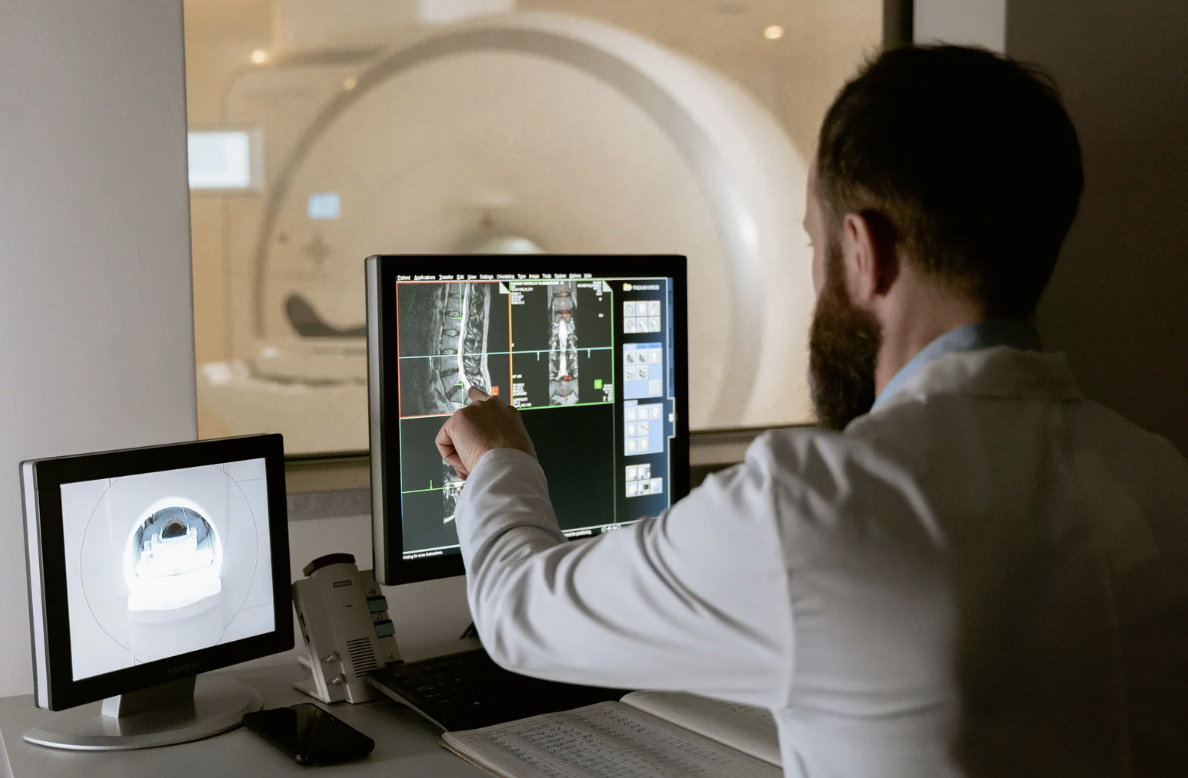 A career spent near loud machinery or radiation sources often leaves marks you do not notice until the damage is done. Ringing that never quiets, hearing that fades, or an illness a doctor ties to the job can affect how you work. California law does count harm that builds slowly, including exposure to radiation and noise.
At J Smith Law, PC, our team helps Kern County workers build strong workers’ compensation claims supported by medical evidence. Our Bakersfield workers’ compensation lawyers give occupational illnesses and other gradual injuries the same attention as injuries caused by a single workplace accident.
You can reach J Smith Law, PC at (661) 716-5555 or contact us online for a free consultation, and our team will look at your work history and symptoms before you decide anything.
What Kinds of Radiation and Noise Exposure Happen on the Job?
 Workplace exposure seldom happens in one dramatic moment like an industrial accident. Across Kern County’s oil fields, refineries, packing houses, and job sites, radiation and steady noise wear on the body shift after shift until symptoms surface. Some workers face radiation from imaging or inspection equipment, while others are constantly exposed to noise from rigs, compressors, and heavy machinery.
The sources behind these claims run through many local trades and are easy to overlook day to day. Common workplace culprits include:
- Industrial radiography used to inspect welds and pipelines
- Naturally occurring radioactive material in oil and gas work
- Imaging and X-ray equipment in medical and dental settings
- Drilling rigs, compressors, and generators
- Power tools and heavy equipment on construction sites
None of these sources leaves a bruise you can point to, which is part of what makes the harm sneak up on people. Spotting the source early helps you connect the condition to the work later.
Does Workers’ Compensation Cover Long-Term Exposure Injuries?
Yes. California workers’ compensation covers injuries that build up over time, not only those from a single accident. Under California Labor Code § 3208.1, a cumulative injury from repeated harmful activity, including radiation and excessive noise exposure, counts alongside a one-time specific injury. Once a doctor links your condition to your job, you may qualify for the same medical and disability benefits available after a sudden workplace injury.
How Long Do You Have to File a Radiation or Noise Claim?
You generally have one year to file, but the clock does not start when the exposure begins. Under California Labor Code § 5412, the date of injury for an exposure condition is the day you both suffered disability and learned, or should have learned, that work caused it.
Records that strengthen an exposure claim include:
- Audiogram results showing measured hearing loss
- A physician’s report tying the condition to your job
- Dosimeter readings (a small device that tracks radiation exposure) or other radiation monitoring records
- Employer noise-monitoring and safety logs
- Dates and locations of your past assignments
Employers do not always hand over these records, and gaps can stall a claim. Our Bakersfield workers’ compensation lawyers know where to request Kern County monitoring data and how to fill the holes an employer leaves.
What Can Make an Exposure Claim Harder to Win?
Exposure claims often face greater scrutiny than sudden injury claims. Because these conditions develop over time, insurers frequently dispute when the injury occurred or whether the workplace caused it.
When an insurer denies a workers’ compensation claim, the dispute usually turns on cause. Radiation and noise exposure claims draw that fight more than most, since the symptoms show up long after a shift ends.
A handful of obstacles come up again and again in these cases:
- A disputed cause: Insurers may blame aging, loud hobbies, or a prior employer for your hearing loss or illness.
- A long latency period: Radiation conditions can surface well after exposure, which muddies the work connection.
- Thin exposure records: When monitoring logs go missing, proving your radiation dose or noise exposure level gets harder.
- Several past employers: Insurers may argue over which job and which insurer carries the liability.
None of these obstacles ends a claim on its own. Strong medical evidence and a clear work history answer most of them before they take hold.
Why Kern County Workers Trust Our Firm With Exposure Claims
Slow-developing exposure claims often require careful attention to medical evidence. At J Smith Law, PC, our Bakersfield team maintains a focused caseload so Jaime L. Smith can give these complex workers’ compensation cases the attention they deserve.
Workers across Kern County rely on us because we pick up the phone, explain the plan in plain terms, and treat a hearing-loss or radiation file with the same care as any headline injury. You get straight answers, not a runaround.
We go to work when you can’t, tracking down monitoring data, medical opinions, and audiograms while you handle treatment and family. That hands-on, local approach is what sets our Bakersfield workers’ compensation lawyers apart for injured workers here.
FAQ: Radiation and Noise Exposure Claims
Can You File If You Already Left the Job Where You Were Exposed?
Yes. In California, you may still file a workers’ compensation claim after leaving or changing jobs. For occupational exposure claims, the filing period generally begins when a doctor determines your condition is work-related, not on your last day of employment.
Does Wearing Ear Protection Hurt Your Claim?
No. Using ear protection does not prevent you from filing a workers’ compensation claim. In fact, it may help show that your job involved hazardous noise exposure. The key question is whether your work caused a compensable injury or illness.
Can Your Employer Fire You for Filing an Exposure Claim?
No. California law makes it illegal for an employer to fire, demote, or cut the pay of a worker for filing a workers’ compensation claim or reporting a job-related condition. If retaliation follows after you raise a hearing-loss or radiation issue, you may hold a separate claim on top of the exposure case.
Get Our Bakersfield Workers’ Compensation Lawyers on Your Exposure Case
California’s rules do not bend for a slow-building injury. Our team can start pinning down the medical proof and work history your claim needs right now, so nothing falls through while you handle treatment.
Reach J Smith Law, PC at (661) 716-5555 or contact us online for a free consultation with our Bakersfield workers’ compensation lawyers who take exposure cases seriously.


Serving Clients
Throughout The Central Valley
The experienced attorneys at J Smith Law, PC are ready to review your workplace injury in a free, no
obligation legal consultation. This means there is no risk in contacting us. We can determine your options for
pursuing compensation and are ready to manage the process on your behalf. We are fully prepared to
pursue the justice and compensation you rightfully deserve.
2026 J Smith Workcomp. All Rights Reserved.
